Prebiotics for Weight Management.
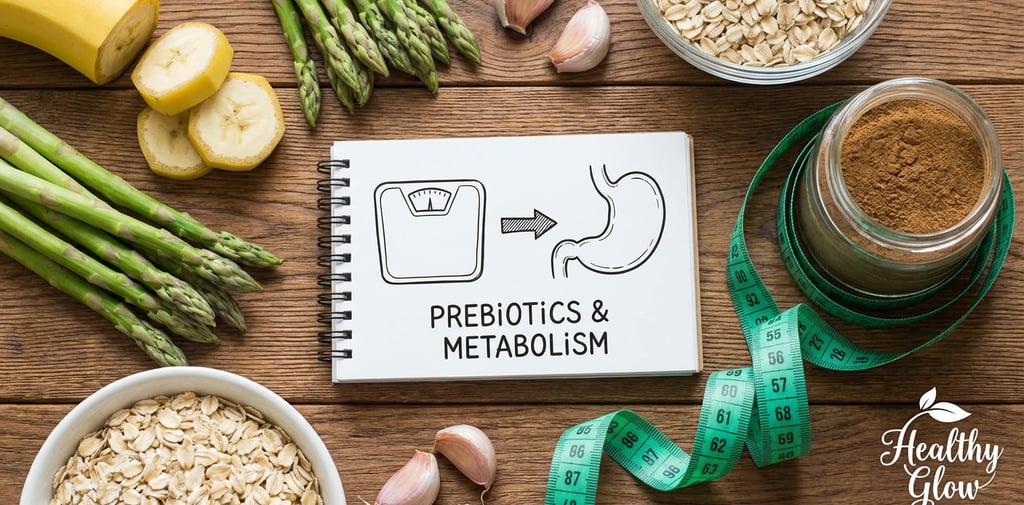
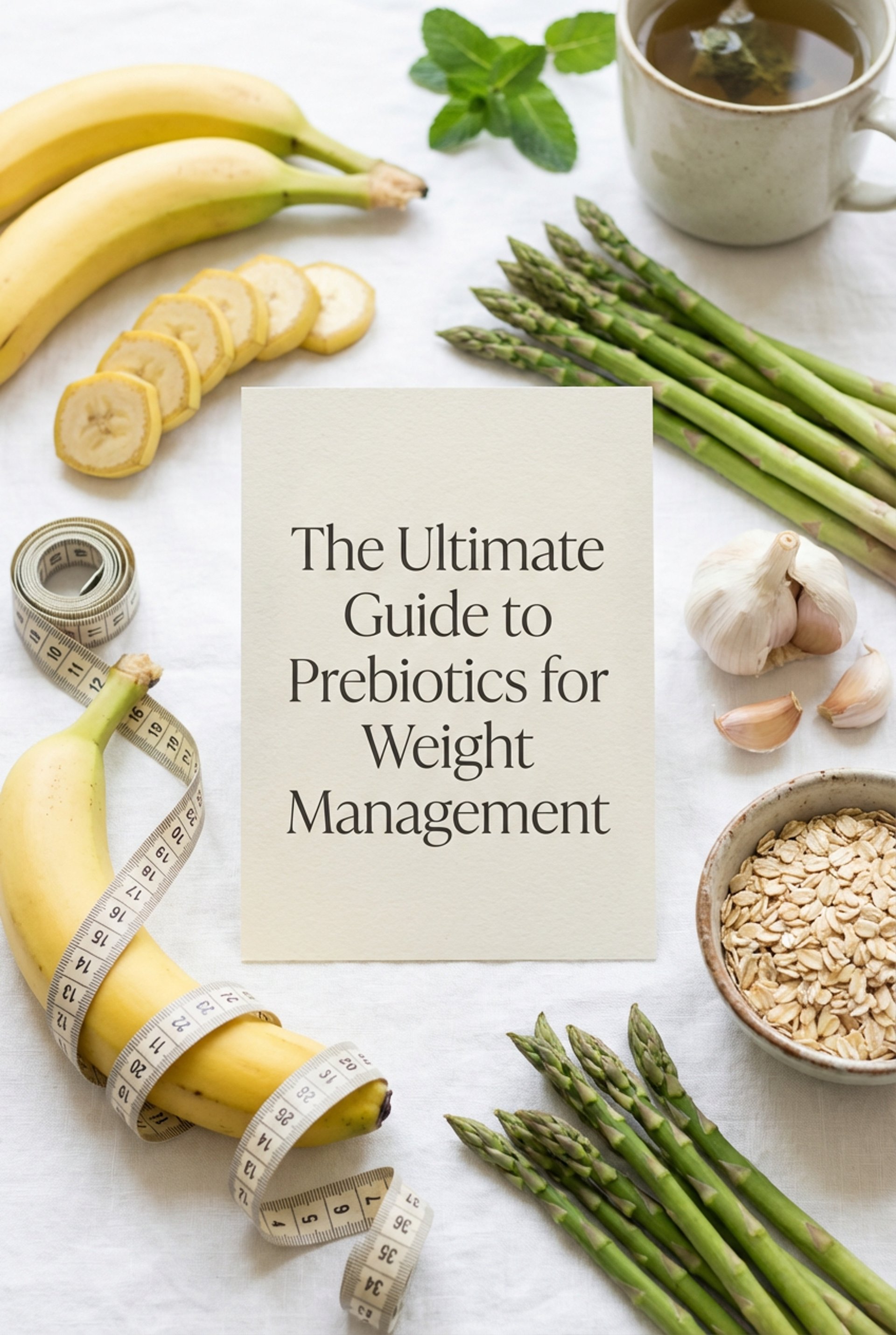
Ready to discover a natural partner in your weight management journey? Meet prebiotics! These special plant fibers, found in everyday foods like bananas, garlic, and oats, act as fuel for the good bacteria in your gut.
The Ultimate Guide to Prebiotics for Weight Management
Using prebiotics for weight management is a powerful and natural strategy to transform your health. Most people focus only on counting calories, but the real secret lies in feeding the trillions of bacteria in your gut. When you nourish these tiny allies with the right fibers, they help regulate your metabolism, reduce fat storage, and control your appetite. Understanding how to use these dietary tools effectively is the first step toward a leaner, healthier version of yourself.
Creating a diet rich in high-quality prebiotic fiber ensures that your body works with you, not against you. By choosing specific foods that support gut health, you can naturally improve your digestion and energy levels. Modern science shows that a balanced microbiome is essential for successful weight loss. Implementing these techniques will increase your chances of maintaining a healthy weight over the long term without feeling deprived.
Identify Your Goals and Your Gut Needs
Start by choosing a nutrition plan that excites you and matches your lifestyle. When you identify your specific health goals, you can build a successful prebiotic strategy that delivers results. You should define your path based on the types of food you enjoy and the metabolic changes you want to see. Additionally, you can follow these steps to strengthen your weight management strategy:
Incorporate new and creative ways to serve prebiotic foods, such as adding flaxseeds to smoothies or using raw garlic in dressings to keep meals interesting.
Develop your personal wellness routine by identifying which prebiotic foods make you feel most energized and satisfied throughout the day.
Build a support system by sharing your journey with friends or joining online health communities where you can exchange recipes and tips.
Interact with health experts or nutritionists to learn more about the specific types of fiber that your body needs most.
Review and adjust your food intake regularly based on how your body feels, making small changes as your digestion improves and your weight stabilizes.
Invest in your health by choosing organic or whole-food sources of prebiotics whenever possible to ensure you get the highest nutrient density.
In short, you must explore all the available natural options and work with consistency to achieve success in weight management. Constant learning and small daily improvements will help you build a strong and resilient body.
Plan Your Prebiotic Content
Planning your food intake and your dietary strategies are the core elements that determine the success of your weight loss journey. Here are some strategies that can help you achieve your goals using prebiotics.
Define a Clear Purpose Before starting, set a specific goal for your health, whether it is losing ten pounds, reducing bloating, or improving your daily energy. Your food choices should lead you toward this goal.
Understand Your Microbiome Learning how gut bacteria react to different fibers helps you produce a meal plan that meets your biological needs effectively.
Choose High-Impact Foods Researching the most effective prebiotic sources like chicory root, Jerusalem artichokes, and dandelion greens can help you see faster results.
Add Nutritional Value Every meal should provide extra value to your body. Focus on foods that offer vitamins and minerals alongside their prebiotic fiber content.
Optimize for Metabolism Use key ingredients strategically (like resistant starch) to increase the calories you burn at rest and improve your overall metabolic rate.
Use Social Support Use social media platforms to find healthy recipes and stay motivated by following others who are on the same wellness path.
Listen to Your Body You must interact with your body by noticing how you feel after meals. Use these observations to refine your diet continuously.
Be Patient and Persistent Building a healthy gut and losing weight takes time and effort. It might take several weeks before you see the full results of your lifestyle changes.
By considering these strategies and meal plans, you can increase your chances of success in weight management and improve your long-term health.
Focus on Food Quality
Your focus on food quality is an essential strategy for achieving success. High-quality ingredients contribute significantly to weight loss and overall vitality. Here are some strategies to improve the quality of your prebiotic diet:
Attention to Detail Read food labels carefully to ensure there are no hidden sugars or artificial chemicals that can harm your gut bacteria.
Use Fresh Ingredients Choose whole, unprocessed vegetables and fruits to ensure the fiber structures remain intact for your gut microbes.
Organize Your Meals Divide your fiber intake throughout the day. Using smaller portions of prebiotics in every meal makes them easier to digest.
Search for Original Ideas Try to present unique and fresh meals. Explore global cuisines like Mediterranean or Asian cooking for new prebiotic inspirations.
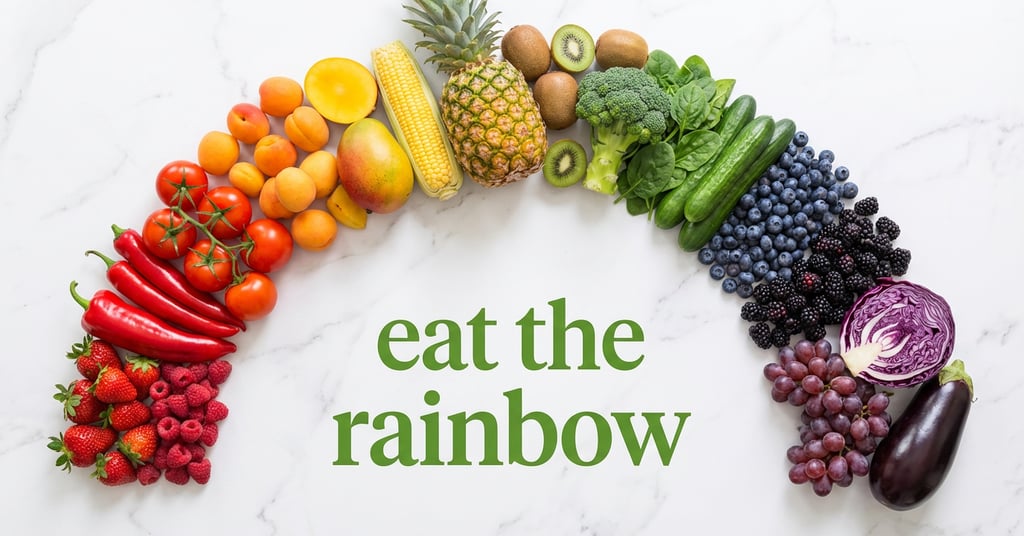
Use Visual Variety Include colorful vegetables in your dishes. A diverse "rainbow" of plants ensures a wider variety of prebiotic fibers.
Verify Sourcing Ensure the safety and reliability of your food sources. Buy from local farmers or trusted brands that prioritize soil health.
Avoid Repetition Avoid eating the same three foods every day. Try to introduce at least one new prebiotic-rich vegetable every week.
By following these strategies, you can improve the quality of your nutrition and build a strong reputation for your health, which increases your motivation and contributes to weight management success.
Comparing Prebiotics and Probiotics
To master your gut health, you must understand the difference between these two pillars of nutrition. While they work together, they have very different roles in your weight loss journey.
Definition prebiotics are specialized plant fibers that act as food while probiotics are live beneficial bacteria and yeast.
Primary function prebiotics feed existing good bacteria to help them grow while probiotics add new,healthy microbes to the gut.
Heat resistance preboitics are highly stable ,not affected by cooking or heat while probiotics are delicate, can be killed by heat or stomach acid.
Weight management role prebiotics increases satiety and controls hunger hormones while probiotics balances gut flora to reduce fat storage.
Top examples prebiotics like oats,garlic,asparagus and onions while probiotics like yoghurt,kimchi,sauerkraut and kefir.
The Science of Metabolism
Optimizing your metabolism is one of the essential factors for a successful body. By applying metabolic strategies correctly, your body can reach an advanced level of efficiency, which increases fat burning and positively affects your energy levels. When you optimize your gut for health, you become more accessible to the results you want.
Focusing on metabolic optimization is a critical step for any health journey. This is not just a technical change; it is a comprehensive lifestyle strategy that helps increase reach toward your weight goals. By improving your intake of specific fibers, building muscle, and staying hydrated:
You can strengthen your body's position in the "health rankings" and make it more efficient. By focusing on gut health, you can increase the number of calories burned, improve your conversion of food to energy, and build a strong foundation for the future. Therefore, do not ignore this important aspect of your digital health strategy; instead, dedicate the necessary time and effort to improve your body for long-term success.
In short, successful weight management cannot ignore the importance of prebiotics. If you want to increase your reach toward a leaner body and build a reliable and healthy life, you must invest in prebiotic strategies seriously.
Interact with Your Body's Signals
Interacting with your body is a decisive factor in success in weight management. When you build a strong relationship with your hunger and fullness cues, you can achieve greater success and increase your impact on your own health. Here are effective strategies to achieve interaction with your body:
Respond to Hunger You must be responsive to true hunger signals rather than emotional triggers. Eating when actually hungry builds a positive relationship with food.
Request Feedback "Ask" your body how it feels after certain foods. Use a food journal to track energy levels and use these notes to improve your content (diet).
Provide Added Value Consume nutrient-dense foods that meet the interests and needs of your cells, providing the vitamins and minerals they are looking for.
Interact via Movement Build an active presence through exercise and interact with your muscles there. Share your progress with others to stay accountable.
Create Challenges Organize personal challenges, like a "30-day prebiotic vegetable challenge," to attract your own focus and encourage consistency.
Join Health Communities Participate in fitness groups and forums related to your field. Be active in discussions, which helps you build relationships with other health enthusiasts.
By adopting these strategies and interacting effectively with your body, you can build a strong foundation for your health and achieve sustainable success in weight management.
Connect with Whole Food Brands
In the world of nutrition, connecting with high-quality food brands and local farmers can be a decisive strategy for success. Quality brands are important partners that can provide you with the support and options to increase your health results. Promoting a connection with quality sources is vital.
Research and Analysis Start by searching for brands that align with your health values and your gut's needs. Exploring labels that match your goals can increase the chances of a fruitful journey.
Create Harmony Develop a kitchen that matches your health identity. Follow guidelines for whole-food cooking to ensure your meals align with your weight loss strategy.
Expand Your Network Use your local health community to expand your access to fresh produce. You can increase your success by sharing your favorite brands with others.
Marketing for Your Health By choosing the right products, you naturally present the best "services" to your body. This provides an opportunity for gain in energy and builds trust in your own routine.
Build Long-term Relationships Through continuous use of healthy habits, you build a lasting relationship with your body. These habits evolve over time to include new opportunities for wellness.
Increase Trust and Credibility By sticking to known, healthy food groups, your internal "reputation" rises. Consistency reflects positively on your mental and physical state.
Get New Opportunities When you are known for your commitment to health, it may open new doors, such as participating in local fitness events or special wellness workshops.
Influence and Impact Your connection with healthy living can have a positive impact on your family and community, as they see your results and feel inspired to try the same path.
In short, connecting with the right nutritional strategies can be an effective way to achieve success. Through these partnerships with your own habits, your health can reach a wider audience of your own cells and achieve sustainable growth. Take advantage of these opportunities positively and enjoy the development in your weight management journey.
Continue Learning and Evolving
Your continuation in learning and evolution is essential for achieving success in weight management. Successful health journeys require staying up to date with the latest trends and research in the world of nutrition and gut science. By continuing to learn, you can develop your cooking skills, learn to use new health tools, and understand changes in your own body's needs.
Invest in reading articles and books related to gut health and metabolism. Participate in training programs or cooking classes to enhance your knowledge and develop your skills. You can also stay in touch with other health-conscious individuals and interact with the wellness community to exchange experiences and ideas. By continuing to learn, you will be able to provide more value to your body and achieve sustainable success in your weight goals.
Additionally, continuous learning can help you adapt to the rapid changes in the world of health science. This allows you to use new strategies and innovations in areas like microbiome testing and personalized nutrition. Consequently, constant development can contribute to strengthening your physical standing and increasing your impact on your own quality of life.
In the end, the commitment of individuals to continuous learning reflects their real desire for growth and providing added value to their lives, which leads to building strong and sustainable relationships with their bodies and achieving success in health.
Be Patient and Persistent
Patience and persistence are the keys to success in prebiotics and weight loss. In a world full of fast-food temptations and competition for your attention, building a healthy body requires diverse and thoughtful strategies. This is not achieved in a single moment but requires patience and hard work over the long term.
Patience and waiting for biological changes.
Continuity in daily healthy habits.
Dedication to self-improvement.
Overcoming cravings and challenges.
Trusting the process of growth.
Persistence in the journey.
Accepting temporary setbacks.
Remember something very important ,Success in weight management is the result of effort and exhaustion, and you may face failure at the beginning of the journey. Overcoming this stage and continuing is the real success. Remember also that continuity in itself is a success. My advice to you, dear reader, is to learn about your body before rushing into extreme diets.
Therefore, do not hesitate to face the challenges and difficulties you may encounter in your journey. Always remember that persistence is the key to achieving sustainable success and building a distinguished path in the world of wellness.
Conclusion In the end, it can be said that success strategies in prebiotics for weight management require a careful balance between different elements. The individual must be enthusiastic and committed to their goal, while continuing to improve their nutritional and lifestyle skills. They must also understand their body's needs well and provide it with valuable and attractive content (food).
Additionally, you should adopt effective strategies to improve your metabolic visibility through the use of prebiotic techniques and active presence in physical activities. By employing these strategies in a balanced and thoughtful way, you can build a wide range of health benefits and achieve success and impact in your weight management journey.