Discover the Supplements to Avoid Mixing for Better Health
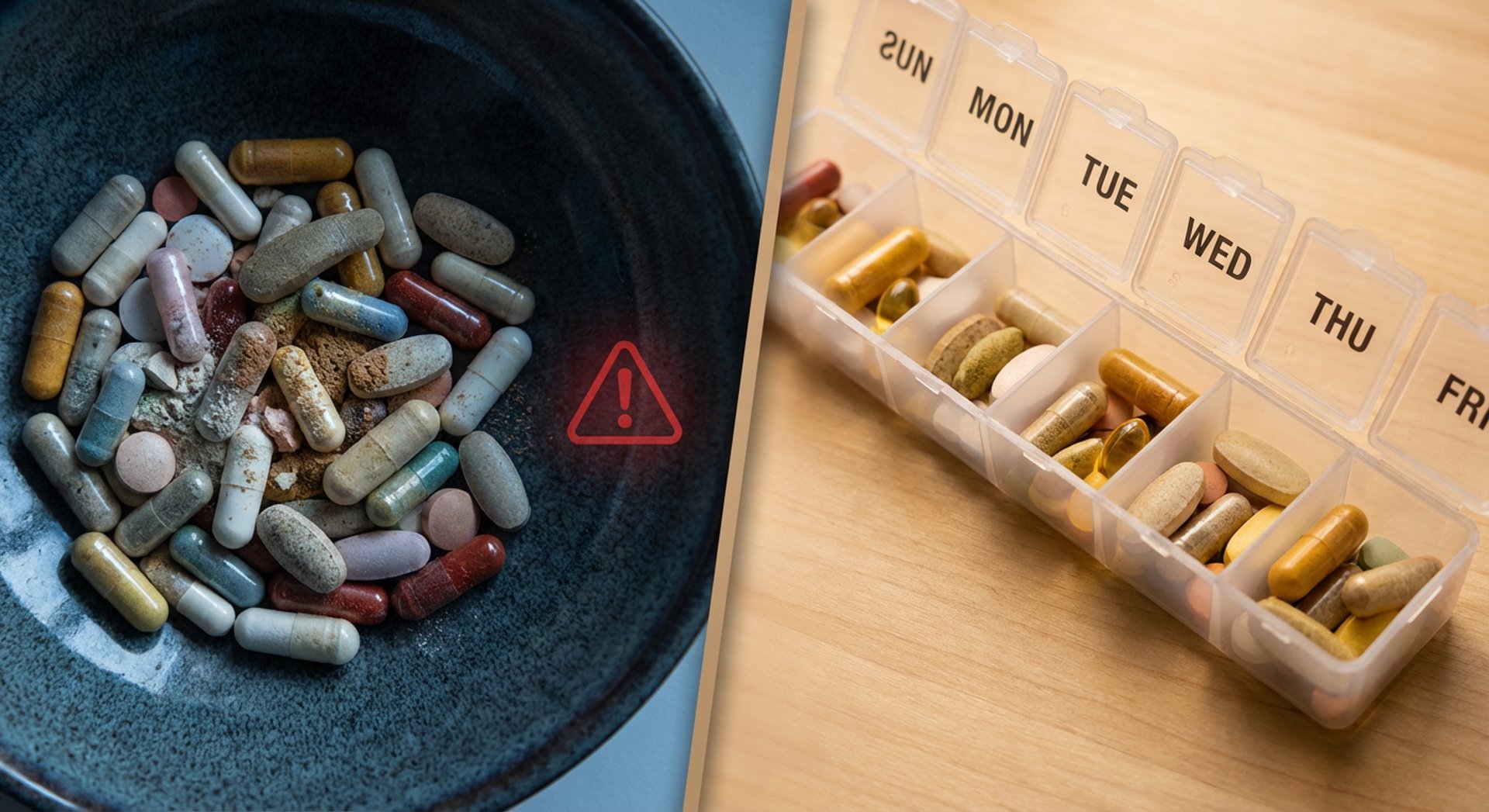
Are you taking multiple supplements? You might be making a mistake that could harm your health. Learn about the dangerous supplement combinations you should never mix. This guide reveals the interactions that can reduce effectiveness and cause unwanted side effects. Read on to discover how to supplement safely and effectively.
Discover the Supplements to Avoid Mixing for Better Health
Taking vitamins and minerals is a powerful way to support your body and fill nutritional gaps. However, to achieve maximum absorption and safety, you must understand the chemistry between these pills. Some combinations can cancel each other out, while others can be dangerous. Learning which supplement to avoid mixing ensures you get the full value of your investment and protect your well-being. This guide helps you navigate the complex world of supplement stacking with simple, actionable advice.
You buy high-quality supplements to feel better, energetic, and healthier. But if you swallow them all at once with your morning coffee, you might be flushing your money down the drain. Your body processes nutrients through specific pathways. When two nutrients fight for the same pathway, one wins, and the other is lost. By improving your knowledge of these interactions, you can optimize your routine. This leads to better blood work results and a noticeable difference in how you feel daily.
Magnesium and Calcium: The Competition
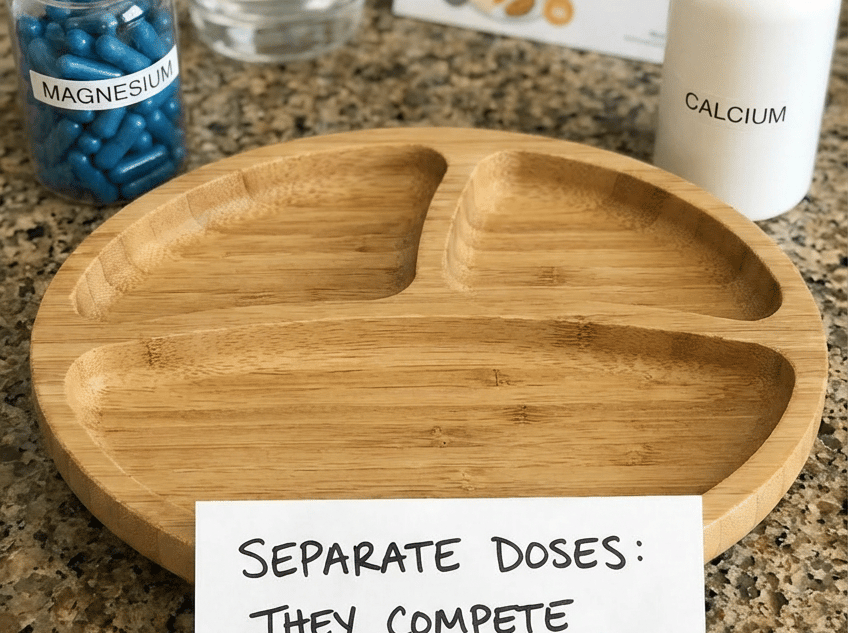
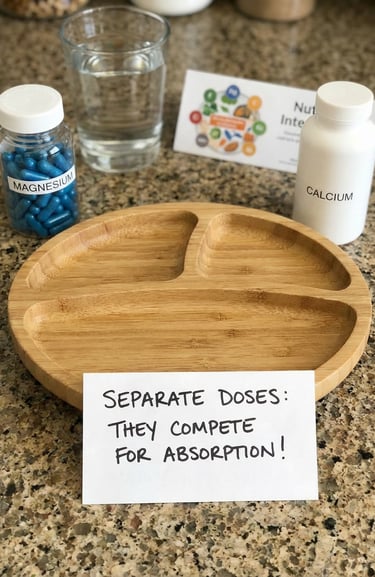
Start by looking at the two most common minerals used for bone and muscle health. While they often appear together in pills, taking high doses of them simultaneously is a classic mistake. When you understand the biology, you will see why this is a primary supplement to avoid mixing at the same exact moment. They effectively compete for absorption in your intestines. To get the best results, you should separate them. Follow these steps to fix your mineral intake strategy.
Understand the absorption channel. Both magnesium and calcium require the same "carrier" mechanism to enter your bloodstream. If you flood the system with both, the body prioritizes calcium, leaving magnesium behind.
Check your dosages. If you are taking small amounts (like in a multivitamin), the competition is minor. However, if you take 500mg of Calcium and 400mg of Magnesium, you must split them.
Create a timing schedule. The best strategy is to take calcium in the morning with food (to boost stomach acid for absorption) and magnesium in the evening.
Magnesium aids sleep. Taking magnesium at night not only solves the absorption conflict but also relaxes your muscles and nervous system, promoting deeper rest.
Review your formulation. Some supplements claim to offer a "perfect ratio," but your body handles separate doses much more efficiently than a massive combined pill.
Watch for symptoms. If you take both and still feel muscle cramps (a sign of low magnesium), it is a clear indicator that your calcium intake is blocking magnesium absorption.
In short, you must respect the biological limits of your body. By spacing these two critical minerals apart, you ensure strong bones and relaxed muscles without wasting your money on unabsorbed nutrients.
Plan Your Vitamin C and B12
Planning your intake of water-soluble vitamins is crucial because they behave differently than minerals. A very common but unknown conflict exists between Vitamin C and Vitamin B12. This is a subtle interaction that can lead to deficiency over time. Here are the strategies to manage this combination effectively.
The Chemical Breakdown Studies suggest that high doses of Vitamin C can break down Vitamin B12 in your digestive tract before your body can use it. This renders the B12 useless.
Identify the Goal You likely take Vitamin C for immunity and B12 for energy or nerve health. To achieve success with both, you cannot swallow them in the same handful of pills.
The Two-Hour Rule A simple gap of two hours is sufficient. Take your Vitamin C with lunch, for example, and your B12 with breakfast. This allows enough time for the stomach environment to settle.
Watch for Stability This issue is primarily a concern with oral supplements. If you receive B12 injections, your Vitamin C intake does not interfere because the vitamin enters the blood directly.
Check Multivitamins Most multivitamins contain low doses of both. This is usually fine because the amounts aren't high enough to cause a massive breakdown. The risk comes from separate, high-potency pills.
Dietary Sources Count Be aware that drinking a large glass of orange juice (high C) to wash down your B12 supplement acts the same way as taking a Vitamin C pill. Use water instead.
Listen to your Body If you are supplementing B12 but still feel fatigued or experience brain fog, look at your Vitamin C timing. It might be the hidden culprit destroying your energy source.
Consistency is Key Fixing this timing issue requires patience. It takes time for B12 levels to restore once you stop the interference, so stick to the new schedule.
By considering these strategies and planning your content (intake), you increase the chances of success in your health journey and maximize the energy-boosting benefits of Vitamin B12.
Focus on Iron Absorption
Iron is notoriously difficult for the body to absorb. If you are anemic or have low energy, caring for your iron intake is essential. Unfortunately, Iron is the most sensitive nutrient when it comes to interactions. It has many enemies that prevent it from working. Here are the main items to keep away from your iron pill.
Green Tea and Coffee These drinks contain tannins and polyphenols. These compounds bind to iron in the stomach, creating a complex that your body cannot absorb. Never wash iron down with tea or coffee.
Calcium interference Just like with magnesium, Calcium blocks iron absorption. Avoid taking iron with milk, cheese, or calcium supplements.
Zinc Competition Zinc and iron compete for the same receptor sites. If you take them together, usually iron loses the battle. Take Zinc at a different meal.
High Fiber Foods While fiber is healthy, taking iron immediately after a bowl of bran cereal can reduce absorption because fiber creates a barrier in the gut.
Antibiotics Iron can bind to certain antibiotics (like tetracyclines), making the medicine less effective and the iron useless. Always ask your pharmacist about spacing.
The Vitamin C Helper Unlike B12, Vitamin C is Iron’s best friend. Taking iron with orange juice or a Vitamin C supplement significantly boosts absorption.
Empty Stomach Rule Iron works best on an empty stomach, but it can cause nausea. If you must eat, choose a light meal with no dairy or tea.
By following these strategies, you can improve the quality of your blood health and recover from anemia faster. Avoiding these mixtures is the single most important factor in success with iron supplementation.
Optimize Fat-Soluble Vitamins
Understanding the nature of vitamins is like understanding search engine optimization for a website. You need the right environment for them to work. Vitamins are split into two groups: fat-soluble (A, D, E, K) and water-soluble (B, C). Mixing them appropriately with food is key. Fat-soluble vitamins require dietary fat to be absorbed. If you take Vitamin D with water on an empty stomach, your body cannot dissolve it, and it passes right through you.
This is not just a technical detail; it is the foundation of supplementation success. Just as a website needs traffic, Vitamin D and E need bile from the liver to be broken down. This bile is only released when you eat fat. Therefore, mixing these vitamins with a meal containing avocado, eggs, or olive oil is mandatory.
However, be careful mixing Vitamin E and Vitamin K excessively. High doses of Vitamin E can thin the blood, while Vitamin K promotes clotting. In very high doses, they can counteract each other. Yet, for most people, the main priority is ensuring they are taken with food. Do not ignore this aspect of your nutritional strategy; allocate time to plan your meals around your fat-soluble vitamins for sustainable health results.
In short, you cannot ignore the rules of bioavailability. If you want to increase your levels of Vitamin D or A, you must invest in the strategy of eating healthy fats alongside them.
Interact with Zinc and Copper
The interaction between Zinc and Copper is one of the most delicate balances in the human body. Success in supplementation often depends on maintaining this ratio. Zinc is popular for immunity, especially during winter, but taking it alone for a long time pushes Copper out of the body. Here are effective strategies to handle this pair.
The Antagonists Zinc and Copper are biological antagonists. When Zinc levels go up, Copper absorption goes down. You must respect this balance to avoid creating a new deficiency while trying to fix another.
The Magic Ratio Experts often recommend a ratio of roughly 15mg of Zinc to 1mg of Copper. If you are taking high-dose Zinc (50mg+), you must add Copper to your routine.
Signs of Imbalance If you take Zinc for months and start feeling weak, cold, or notice pale skin, you might have induced a Copper deficiency. This is often mistaken for anemia.
Spacing them Out Ideally, do not take them in the exact same pill if the doses are high. Take Zinc in the morning and Copper at lunch to allow both to enter the system independently.
Check Your Multivitamin Good quality multivitamins already calculate this balance for you. The danger usually arises when you buy a standalone "Super Zinc" bottle and ignore Copper entirely.
Food Sources If you don't want to take a Copper pill, ensure you eat Copper-rich foods like cashews, seeds, or organ meats while on a Zinc regimen.
By adopting these strategies and interacting intelligently with your mineral intake, you prevent accidental depletion and achieve sustainable success in immune support.
Connect with Medical Advice on Herbs
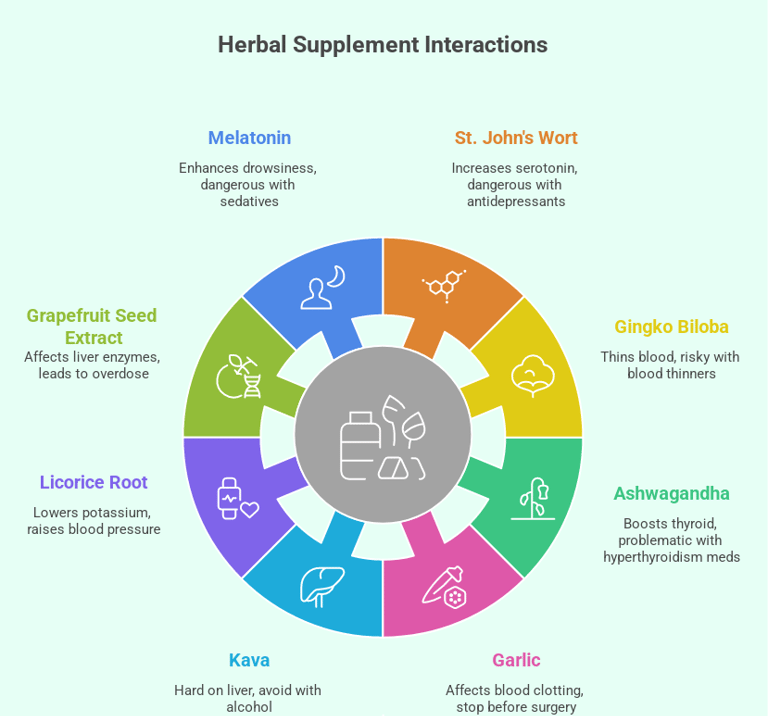
In the world of natural health, people often assume "herbal" means "safe to mix with anything." This is a dangerous misconception. Communicating with your doctor about herbal supplements is a crucial strategy. Herbs like St. John's Wort, Gingko Biloba, and Goldenseal act like potent drugs in the body. They can speed up or slow down how your liver processes prescription medications.
St. John's Wort & Antidepressants Never mix these. St. John's Wort increases serotonin. If mixed with SSRIs (prescription antidepressants), it can lead to "Serotonin Syndrome," a life-threatening condition causing confusion, fever, and rapid heart rate.
Gingko Biloba & Blood Thinners Gingko thins the blood to improve memory. If you mix it with Aspirin or Warfarin, you significantly increase the risk of internal bleeding.
Ashwagandha & Thyroid Meds Ashwagandha can boost thyroid function. If you are already on medication for hyperthyroidism, this mix can push your levels dangerously high.
Garlic & Surgery Concentrated garlic supplements affect blood clotting. Doctors will ask you to stop these weeks before any surgery to prevent excessive bleeding.
Kava & Alcohol Kava is used for relaxation, but it is hard on the liver. Mixing it with alcohol or liver-taxing medications (like Tylenol) can cause severe liver damage.
Licorice Root & Blood Pressure Real licorice lowers potassium and raises blood pressure. It interferes with many heart medications. Avoid this mix if you have hypertension.
Grapefruit Seed Extract While not a pill, this extract affects the same liver enzymes as many statins and blood pressure drugs, leading to overdose effects from your normal medication dose.
Melatonin & Sedatives Mixing sleep hormones with prescription sedatives creates a compounding effect that can make you excessively drowsy or affect your breathing during sleep.
Summary: Communicating with healthcare providers about herbal brands is a vital strategy. Through proper checks, your supplement routine can grow safely. Mixing powerful herbs with meds without advice is the biggest error in the supplement world.
Continue Learning about Heart Minerals
Continuing to learn and evolve your knowledge is essential for supplement safety. This is especially true for minerals that affect your heart rhythm, like Potassium and Calcium. These electrolytes control the electrical signals in your heart. Mixing them blindly in high doses can be risky.
Invest in reading labels and understanding your daily intake. Potassium supplements are usually limited to 99mg over the counter for a reason: high potassium is dangerous. However, if you mix potassium supplements with medications for blood pressure (ACE inhibitors) or certain diuretics that "spare" potassium, your levels can spike. This condition, Hyperkalemia, is a medical emergency.
Furthermore, taking massive doses of calcium without Magnesium or Vitamin K2 allows calcium to settle in your arteries instead of your bones. This calcification is bad for the heart. Therefore, continuous learning helps you adapt. You learn that Calcium needs K2 to direct it to the bone. You learn that Potassium is best obtained from bananas and avocados, not pills, unless prescribed.
In the end: A commitment to continuous learning reflects a true desire for health. It prevents you from making dangerous combinations that stress your heart, ensuring your path to wellness is sustainable and safe.
Have Patience and Consistency
Having patience and consistency is the key to success with Omega-3s. Fish oil is fantastic for inflammation, but it interacts with absorption of other fats and pills. In a world of quick fixes, getting results from Fish Oil requires a long-term strategy, not a mega-dose that upsets your stomach.
Fish Oil vs. Fiber Supplements.
Separation prevents removal.
Take Oil with heavy meals.
Avoid taking with fat-blockers.
Consistency over quantity.
Allow 3 months for results.
Check purity standards.
Remember this important point: Success in health is born of effort and time. Fish oil can cause digestive upset if mixed with the wrong food or taken on an empty stomach. Skip the discomfort by timing it right. My advice to you is to research the source of your oil before starting.
So, do not hesitate to adjust your timing if you experience "fish burps" or indigestion. Remember that patience with your routine is what unlocks the anti-inflammatory benefits in the long run.
Conclusion: In the end, we can say that strategies for avoiding the wrong supplement mixtures require a delicate balance. You must be enthusiastic about your health but disciplined in your methods. You must understand that more is not always better.
Additionally, you must adopt effective strategies like spacing out minerals, taking fat-solubles with food, and checking for drug interactions. By employing these balanced and thoughtful strategies, you can build a powerful supplement regimen that delivers real energy, immunity, and longevity, avoiding the pitfalls of poor absorption and chemical conflicts.